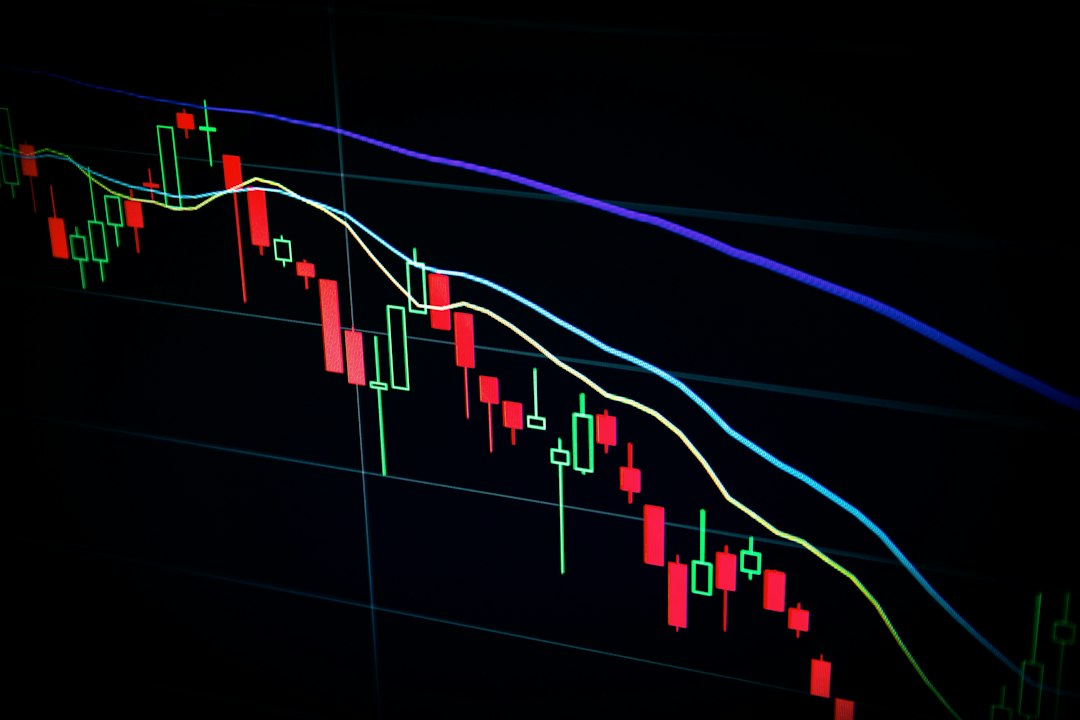
If you opened your super app this weekend and winced, you are far from alone. The ASX sell-off that ran through the week ending Friday 20 November 2026 was the sharpest weekly slide Australian shares have suffered since the pandemic crash of 2020, and because most working Australians own shares through their superannuation, the hit flows straight into retirement balances. Here is a plain-English look at what happened, why it happened, and what the ASX sell-off actually means for your super.
This article is for general information only and is not personal financial advice. Consider your own circumstances or speak with a licensed adviser before making changes to your super.
What Happened on the ASX This Week
Friday capped off a bruising run for local investors. The benchmark S&P/ASX 200 dropped 137.8 points, or 1.58 per cent, to close at 8,592.6, while the broader All Ordinaries lost 143.8 points (1.63 per cent) to finish at 8,692.8. It was the seventh trading session in a row that the market had gone backwards.
Across the full week, the ASX 200 shed roughly 5.4 per cent. Australian Associated Press estimated that somewhere between $169 billion and $174 billion was wiped off the value of the All Ordinaries over the five sessions. The losing streak also erased everything the index had gained so far in 2026 and pushed it below its 200-day moving average, a level many traders watch as a signal of the longer-term trend.
Which sectors were hit hardest?
- Materials (miners): down more than 10 per cent between Monday and Thursday, accounting for over half of the index’s weekly fall.
- Financials (the big banks and insurers): down more than 3.5 per cent over the week.
- Technology: down nearly 5 per cent on Friday alone, with data-centre operator NextDC and network provider Megaport among the biggest decliners.
- Utilities: the only sector still in positive territory for the week.
On Friday itself, all 11 sectors of the ASX finished in the red. Market watchers described it as a week with nowhere to hide.
Why Australian Shares Fell So Sharply
Several forces collided at once, and it is worth understanding them because they shape how long the volatility might last.
Global worries about artificial intelligence valuations
The trigger was offshore. Investors on Wall Street have grown uneasy about whether the enormous sums being poured into artificial intelligence will turn into lasting profits. On Thursday in New York, the Nasdaq Composite fell 2.3 per cent and the S&P 500 dropped 2 per cent, even though AI developer Anthropic completed a record-breaking share market listing that day. That nervousness carried straight into Australian trading on Friday.
The usual safety net did not work
What made this week unusual is that the ASX normally holds up better than US tech stocks during a tech-driven sell-off. Betashares investment strategist Tom Wickenden noted that in two earlier tech slumps, the ASX 200 actually rose around 1 per cent while the Nasdaq-100 fell 5 per cent, as global money rotated into Australian banks and miners. This time, the opposite happened: weak Chinese demand and global growth fears hit copper and other industrial metals, dragging the miners down with tech.
A softer local economy
Home-grown data added to the gloom. Australia’s unemployment rate rose to 4.9 per cent in October, well above the 4.7 per cent economists had expected, as employment fell by 43,500. At the same time, wage price figures earlier in the week came in firmer than hoped, raising questions about where interest rates go next. The Australian dollar also eased to around 66.66 US cents.

Photo by Recha Oktaviani on Unsplash
How the ASX Sell-Off Affects Your Super
Super funds are among the biggest investors on the Australian share market. AMP has pointed out that funds held about 39 per cent of all ASX-listed shares as far back as 2019. Most funds also hold large amounts of international shares, so a global sell-off like this one tends to show up in your balance from two directions at once.
That does not mean your super fell by 5.4 per cent. Most people sit in a diversified “balanced” or “growth” option that spreads money across shares, property, infrastructure, bonds and cash. Those other assets usually cushion the blow, so the dip in a typical balance is smaller than the headline fall in the share market. How much you are affected depends mainly on three things:
- Your investment option. High-growth and “shares only” options feel market falls most; conservative and cash options feel them least.
- Your age. Many default lifecycle options automatically reduce share exposure as members approach retirement, which limits the impact for older members.
- Your time horizon. Someone with 30 years until retirement has decades for markets to recover; someone retiring next year has far less room to wait.
It is also worth remembering that a fall shown on your app is a paper loss. It only becomes a real, locked-in loss if the underlying investments are sold at the lower price.
Should You Switch Your Super to Cash?
This is the question super funds field most after a rough week, and consumer groups such as CHOICE and Super Consumers Australia have long urged members to think carefully before acting on it. The core problem is timing. When you move from a growth option into cash after a fall, your fund sells your growth assets at today’s lower prices on your behalf. If markets bounce back before you switch back, you miss the recovery, and history shows that the early days of a rebound are often the strongest.
Lessons from the global financial crisis and the 2020 COVID crash point the same way: members who switched to cash near the bottom often ended up worse off than those who stayed put. To put the long-term picture in perspective, SuperGuide calculated that a hypothetical $10,000 invested in the ASX 200 Accumulation Index (share prices plus dividends) in October 2003 would have grown to about $63,097 by November 2024, despite the GFC, the pandemic and plenty of other scary weeks along the way.
That said, a market shock is a reasonable moment to check that your investment option still suits your age and goals. Changing strategy because your circumstances have changed is different from reacting to a single bad week.
Practical Steps to Take Right Now
Rather than making a big decision in a hurry, here are sensible, low-risk things you can do this week:
- Check which option you are actually in. Log in to your fund and confirm your investment option and its stated risk level. Many people have never looked.
- Review your fees and insurance. Fees eat into returns in good years and bad. Make sure you are not paying for multiple accounts or insurance you do not need.
- Consolidate lost or duplicate super. You can find and combine accounts through myGov and the ATO, which can reduce fees.
- Run the numbers. The free retirement planning calculators on the government’s Moneysmart website let you project how your balance may grow over time.
- Consider whether extra contributions make sense. Some commentators note that if you have spare cash, salary sacrificing during a downturn buys units in your fund at lower prices. Check the contribution caps before you do.
- Be alert to scams. Periods of market panic tend to bring a rise in investment scams. Be wary of anyone cold-calling about “safe” places to move your super.
What If You Are Retired or Close to Retirement?
Retirees drawing an income from their super are in a different position, because they may need to sell investments to fund regular payments. Selling growth assets after a fall can turn a temporary dip into a permanent one. AMP suggests that, where possible, retirees try to meet their drawdown needs from cash or term deposits, giving share investments time to recover.
If you are within a few years of retiring and this week left you anxious, that is a sign worth listening to. It may be a good time to talk to your fund, many of which offer general advice to members, or to book a session with a licensed financial adviser.
What to Watch Next Week
The next big test for the market arrives on Wednesday 25 November, when October inflation figures are released. Investors will be looking for signs that price pressures are easing, which would affect expectations for interest rates. Wall Street’s reaction to ongoing AI concerns, Chinese demand for Australian commodities and the general mood heading into the Christmas period will also shape whether this sell-off deepens or steadies.
Nobody can reliably predict the short-term direction of the market, which is exactly why super is built as a long-term investment. Short, sharp falls have been a regular feature of share market history, and so have the recoveries that followed.
Frequently Asked Questions
How much did the ASX fall this week?
The S&P/ASX 200 fell about 5.4 per cent over the week to Friday 20 November 2026, closing at 8,592.6. Between $169 billion and $174 billion was wiped from the All Ordinaries, according to AAP estimates.
Has my super lost the same amount as the share market?
Usually not. Most super options are diversified across several asset types, so balances typically fall by less than the share market. The exact impact depends on your investment option and how much of it is in Australian and international shares.
Is it a good idea to move my super to cash now?
Switching after a fall can lock in losses and cause you to miss a recovery. Consumer groups generally caution against reacting to short-term moves, but your option should suit your age, goals and risk tolerance. If unsure, seek licensed financial advice.
Why did miners fall when the problem started with AI stocks?
Concerns about AI spending fed into wider fears about global growth, while weak demand from China weighed on copper and other industrial metals. That combination hit mining shares hard, which is unusual in a tech-led sell-off.
When will the market recover?
No one knows for sure. Markets have historically recovered from major falls, but the timing varies widely. Upcoming inflation data and global sentiment around technology stocks will be key factors in the weeks ahead.
The Bottom Line
The ASX’s worst week since 2020 is unsettling, and seeing a smaller number in your super account never feels good. But for most Australians, super is a decades-long investment, and one week, even a very bad one, is a small chapter in that story. Use this moment to check that your fund, fees, insurance and investment option still fit your life, stay alert to scams, and avoid making a big switch purely out of fear. If you are close to retirement or genuinely unsure, a conversation with your fund or a licensed adviser is the smartest next step.