UK inflation rose to 3.6% in October 2026, up from 3.5% in September, and the outlook for the coming months is not much brighter. Energy prices are climbing again, the Bank of England has started raising interest rates for the first time in more than three years, and households are being warned that their energy bills could jump sharply in January. If you are wondering what all of this means for your wallet, this guide explains the latest figures in plain English and sets out practical steps you can take now.
For information only, not professional financial advice.
What the Latest UK Inflation Figure Means
Inflation measures how quickly prices are rising. An inflation rate of 3.6% means that, on average, the goods and services people buy cost 3.6% more than they did a year earlier. The Bank of England’s target is 2%, so inflation is running well above where policymakers want it to be.
The October figure actually came in below the Bank of England’s own forecast, which is why economists described the situation as uncomfortable rather than out of control. Even so, the direction of travel is upwards, and the Bank expects inflation to keep rising before it improves.
What Is Driving Prices Higher?
Energy
The main culprit is energy. Conflict in the Middle East has pushed up global oil and gas prices. Diesel prices hit a record high in October, and gas prices feed directly into household heating bills and the cost of producing and transporting almost everything else.
Food
There is some better news on food. Food inflation fell to just 0.9% in October, helped by supermarkets competing hard on price and running discounts. However, many economists doubt this will last, because higher energy and transport costs usually filter through to food prices over time.
Everything Else
Outside of energy, prices look relatively stable. That matters, because it suggests the current rise in inflation is largely an energy shock rather than prices spiralling across the whole economy.
Your Energy Bills: The January Price Cap
For most households, the biggest immediate concern is energy. Ofgem’s price cap for October to December 2026 is £1,723 a year for a typical dual-fuel household paying by Direct Debit, after a 4% rise in October.
Consultancy Cornwall Insight’s final forecast suggests the cap could rise by about 26% from 1 January 2027, taking the typical annual bill to around £2,166. That would be an increase of roughly £443 a year, or about £37 a month, and would push bills to their highest level since 2023. Most of that increase would fall on the energy you actually use, rather than on standing charges.
It is important to remember that this is still a forecast. Ofgem will confirm the official January to March figure on Wednesday, 25 November 2026. Cornwall Insight’s forecast already includes the government’s cut in VAT on domestic electricity bills from 5% to 0%, which has been extended until 30 June 2027.

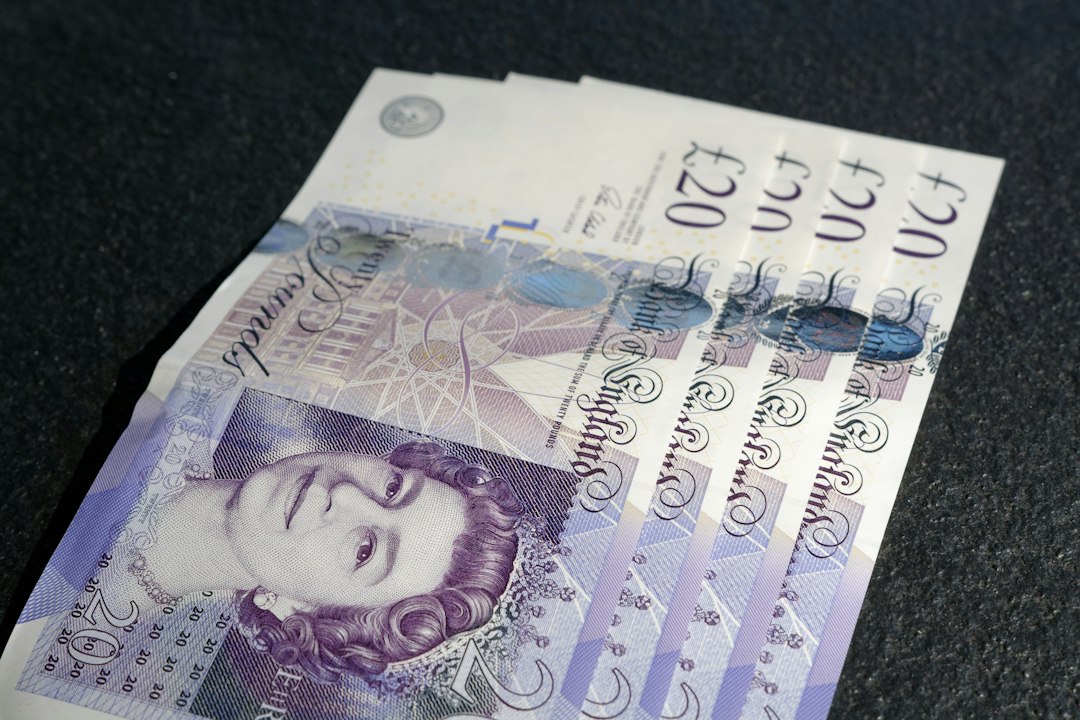
Photo by Sarah Agnew on Unsplash
Interest Rates Are Rising Again
On 5 November 2026, the Bank of England raised Bank Rate by 0.25 percentage points, from 3.75% to 4%. It was the Bank’s first rate rise since August 2023. The Monetary Policy Committee judged that rising energy costs had created enough inflationary pressure in the pipeline to justify higher borrowing costs.
The Bank now expects inflation to peak at just under 5% next spring. Financial markets expect Bank Rate to rise further, to around 4.75% by June 2027, although the Bank has stressed that rates are not on a fixed path and will depend on new data. The next scheduled decision is on 17 December 2026.
What This Means for Mortgages
If you have a tracker or standard variable rate mortgage, your monthly payments are likely to rise soon after any increase in Bank Rate. Fixed-rate borrowers are protected until their deal ends, but mortgage rates on new deals have already climbed sharply, adding hundreds of pounds a year to repayments for people coming off cheaper fixed deals.
What This Means for Savers
Higher interest rates do have an upside. Savings rates tend to rise when Bank Rate goes up, so it is worth checking whether your current account or savings account is paying a competitive rate.
The Squeeze on Living Standards
Wages are struggling to keep up. Once inflation is taken into account, pay growth has almost stalled and could turn negative in the coming months. The Office for Budget Responsibility expects the typical household’s spending power, after taxes and benefits, to stay broadly flat through 2027 and 2028.
Lower-income families are the most exposed. Poorer households spend almost twice as much of their income on energy as richer households, so rising gas and electricity prices hit them hardest.
Practical Steps to Protect Your Finances
While no one can control global energy prices, there are steps that can make a real difference to your household budget:
- Take regular meter readings. Submit a reading to your supplier just before 1 January so you are not charged the new, higher rate for energy you used in December.
- Compare fixed energy tariffs. If a fixed deal is available at or below the expected January cap, locking in could protect you from rises. Check exit fees and compare the total annual cost, not just the headline rate.
- Check what help you are entitled to. Support such as the Warm Home Discount and benefits like Pension Credit can unlock extra help with energy costs. Benefit calculators from reputable charities can help you check.
- Review your mortgage early. If your fixed deal ends in the next six months, speak to your lender or a mortgage broker now. Many lenders let you secure a new rate in advance.
- Move your savings. If your savings earn little or no interest, switching to an easy-access or fixed-term account with a better rate can help offset rising prices.
- Cut energy use where you can. Draught-proofing, lowering your boiler’s flow temperature and heating only the rooms you use can all trim bills without major cost.
- Talk to your supplier early if you are struggling. Suppliers are expected to offer support such as affordable repayment plans. Free advice is also available from organisations like Citizens Advice.
Frequently Asked Questions
What is the UK inflation rate right now?
UK consumer price inflation was 3.6% in October 2026, up from 3.5% in September.
Will energy bills go up in January 2027?
Forecasts suggest they will. Cornwall Insight expects the price cap to rise by about 26% to around £2,166 a year for a typical household. Ofgem will confirm the official figure on 25 November 2026.
What is the Bank of England base rate?
Bank Rate is 4% following the Bank of England’s decision on 5 November 2026. The next decision is due on 17 December 2026.
When will UK inflation peak?
The Bank of England expects inflation to peak at just under 5% in spring 2027, before easing.
How can I reduce my energy bill this winter?
Submit meter readings before price changes, compare fixed tariffs, check eligibility for support schemes, and reduce energy use with simple measures like draught-proofing and lowering your boiler’s flow temperature.
Final Thoughts
The latest figures confirm that the UK is heading into another difficult winter for household budgets. Inflation is rising, interest rates are going up, and a large energy price cap increase looks likely in January. The good news is that food inflation is low for now and much of the pressure comes from energy rather than across the board. Taking a few simple steps now, from checking your energy tariff to reviewing your mortgage and savings, can help you stay in control as prices change.